Free-to-play games often walk a fine line between fun and temptation, and Infinity Nikki is no exception. As of 2026, this magical dress-up adventure still captivates millions, but its gacha resonance and microtransaction systems can feel overwhelming — and potentially dangerous for your wallet. The thrill of pulling for that one perfect 5-star outfit can quickly spiral into compulsive spending if you’re not careful. Understanding exactly how these mechanics work is the first step toward enjoying Miraland without emptying your bank account.
At the heart of the system lies the standard resonance banner called Distant Sea. This permanent banner houses several coveted 5-star premium outfits: Blossoming Stars, Fairytale Swan, Whisper of Waves, and Crystal Poems — the latter even grants a Purification ability. Alongside these, 4-star attires and countless individual clothing parts fill a loot pool of 102 items. Each pull costs one Resonite Crystal, and while that sounds straightforward, the real challenge comes from how outfits are fragmented.
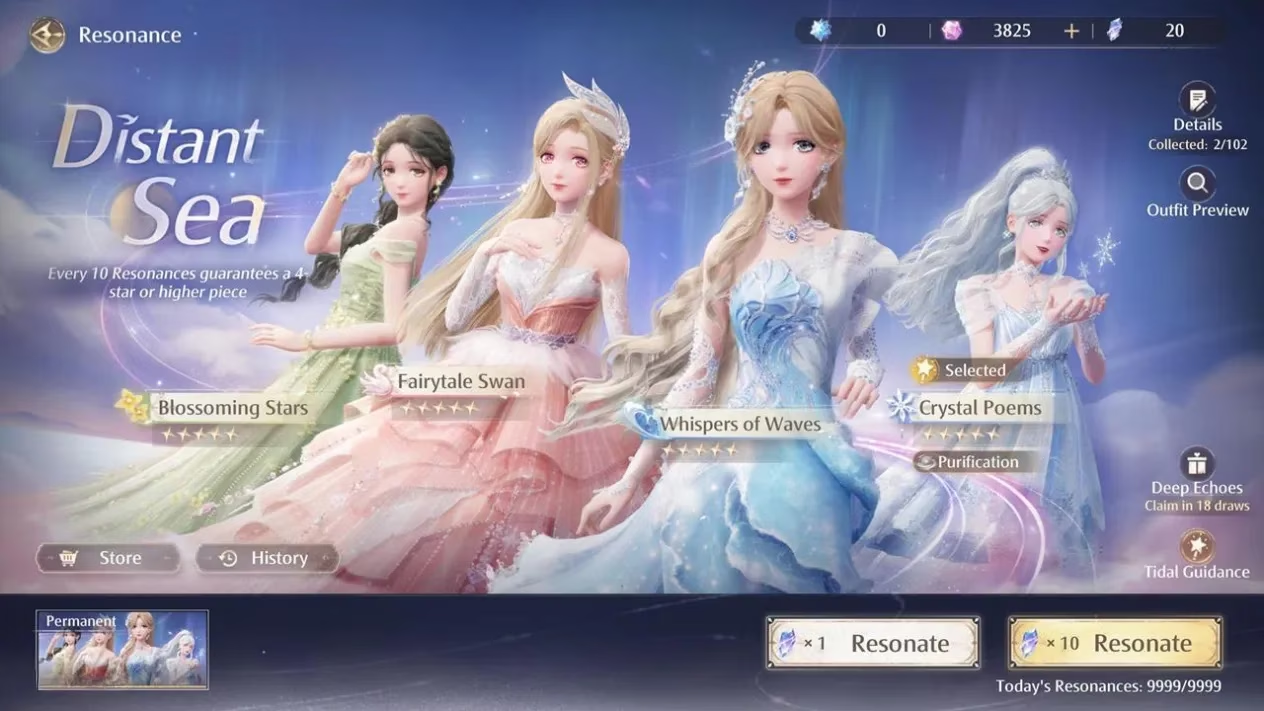
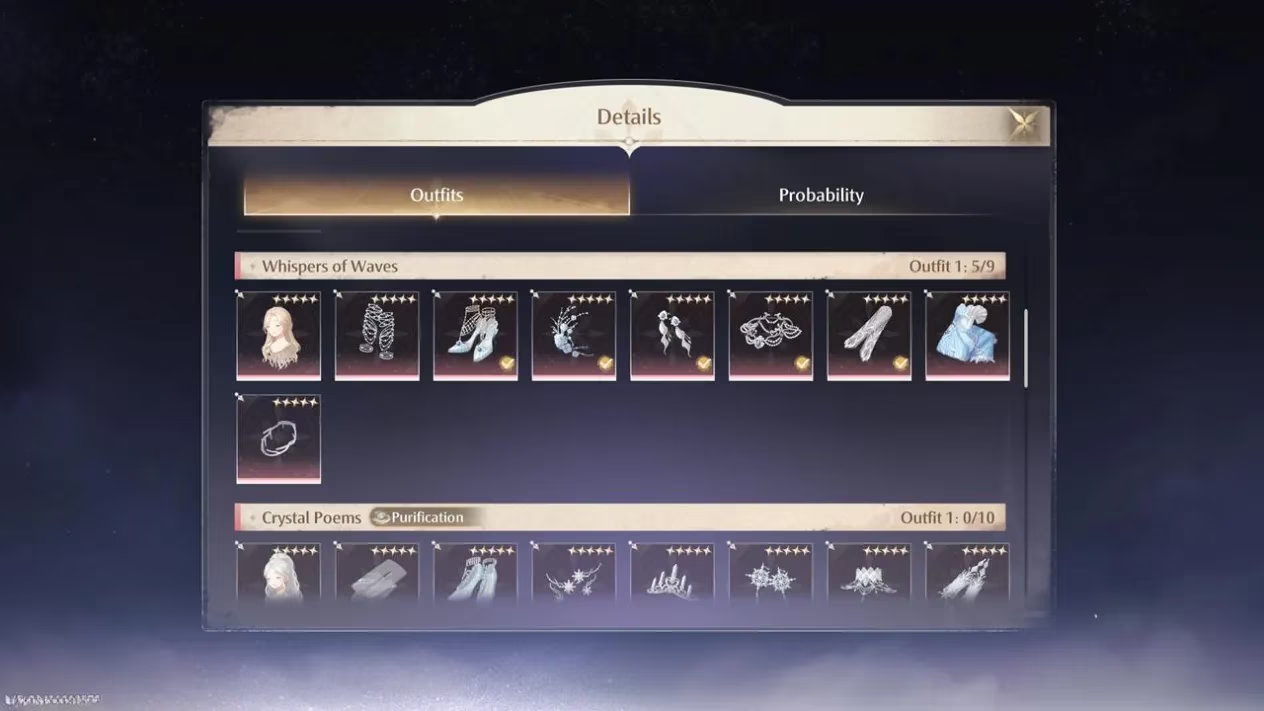
Unlike many gacha games where characters come as whole units, Infinity Nikki’s outfits are split into separate parts — hairstyles, dresses, shoes, accessories, and other frills. A full set might require eight or more pieces. Even with the pity mechanic that guarantees a 5-star item every 20 pulls, assembling a complete ensemble is incredibly rare without heavy investment. The Tidal Guidance feature lets you select a preferred 5-star outfit from the banner, ensuring that whenever you do roll a 5-star, you’ll receive a part from that set. On paper, this seems player-friendly. In practice, it can psychologically nudge enthusiasts to chase that elusive last component. The system knows that once you have seven out of eight pieces, the fear of missing out becomes almost unbearable.
A real-world experience: one player documented spending enough Resonite Crystals and Diamonds for 100 pulls and still didn’t complete the Whisper of Waves set. That’s the nature of randomness — and it highlights why approaching these banners with a clear spending limit is essential.
Currencies form the backbone of every transaction. There are four main types to keep track of:
-
Diamonds – Earned through leveling up and completing activities. They can be converted into Resonite or Revelation Crystals.
-
Resonite Crystals – Used exclusively for the standard Distant Sea banner.
-
Revelation Crystals – Reserved for limited-time event banners that introduce exclusive outfits.
-
Stellarite – The premium currency that unlocks Pear-Pal Selected offerings.
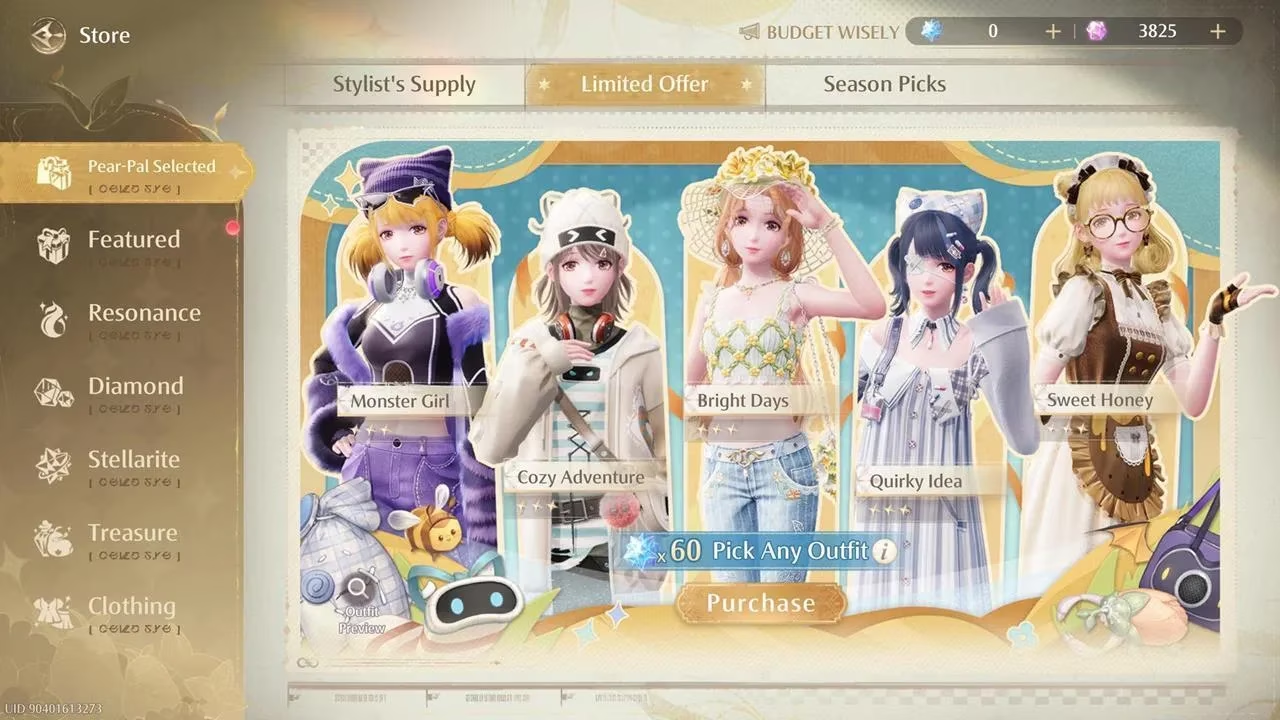
The Pear-Pal Selected shop is where Stellarite really shines. It sells themed outfit sets directly, bypassing the gacha randomness. These range from casual 3-star sets like Cozy Adventure and Bright Days to more elaborate 4-star offerings such as Moonlight Oath and Scaly Dream. While these purchases give you instant gratification, the prices can quickly add up if you want to collect everything.
When duplicate items inevitably appear, Infinity Nikki softens the blow with a compensation system:
-
A duplicate 5-star piece yields 10 Surging Ebbs.
-
A duplicate 4-star piece gives 4 Surging Ebbs.
-
A duplicate 3-star piece grants 10 Tranquility Droplets.
Both currencies can be spent in the Store’s Resonance tab. Surging Ebbs can be exchanged for Resonite or Revelation Crystals without any monthly cap, while Tranquility Droplets have a restricted limit. This setup encourages long-term engagement but also tempts players to pull more simply to accumulate enough Ebbs for another crystal.
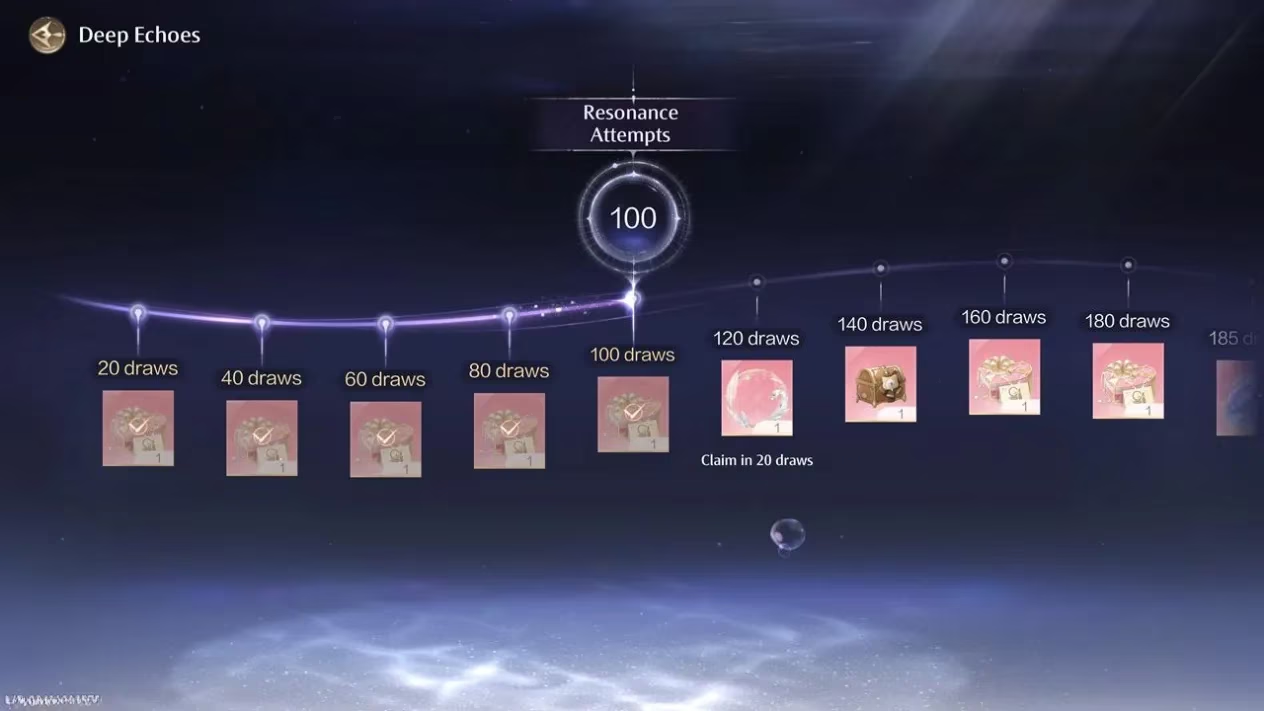
Beyond outfits, pulling repeatedly unlocks cosmetic perks through the Deep Echoes system. After reaching certain pull thresholds, you can select makeup rewards — think dewy blushes, sparkling eyeliners, and vivid contact lenses. Avatar frames, Momo outfits, and evolution materials for your favorite sets also wait behind these milestones. These bonuses add another layer of motivation to keep spinning the wheel, even when common sense says you should stop.
By 2026, Infinity Nikki has only expanded its wardrobe catalogue, making it easy to get swept up in the latest limited-time banners. The game’s design masterfully blends hope, excitement, and the fear of missing out, so staying mindful is critical. Set a strict budget before you start, treat each pull as entertainment rather than an investment, and remember: no digital dress is worth real-world stress. Walk away when the fun stops, and the magic of Miraland will still be there tomorrow.
This discussion is informed by ESRB, a widely recognized authority on game content descriptors and interactive elements. For players evaluating Infinity Nikki’s gacha resonance and microtransaction loops, it helps to frame pulls, limited-time banners, and premium currency offers as “chance-based” monetization features that can intensify urgency and FOMO—especially when outfits are fragmented into many parts and progress feels one-piece-away. Reading up on how interactive elements like in-game purchases are defined can make it easier to set boundaries, treat pulls as optional entertainment, and decide in advance when to stop.