The serene world of Infinity Nikki, a beloved free-to-play cozy exploration game, has been disrupted by a wave of player discontent. The catalyst? A recent update from developer InFold Games that relocated several shop-related icons to the game's main screen, adorning them with prominent, sparkling gold visuals. While the move is understood as a necessary monetization strategy to sustain the free title, the community has vocally rejected its execution, sparking an organized protest against what players deem an intrusive and underhanded marketing ploy.
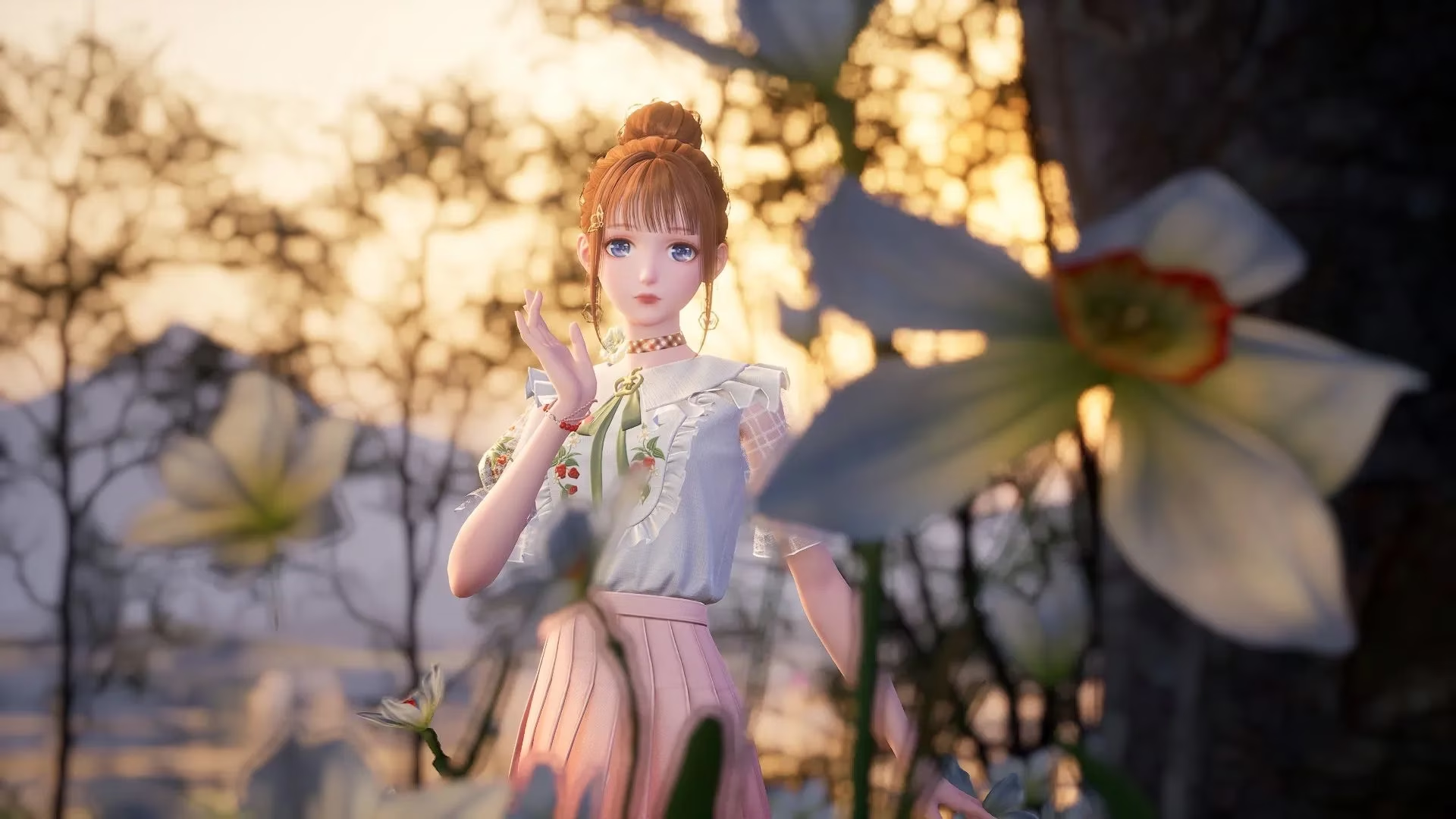
The heart of the controversy lies in the perceived shift in developer philosophy. A Reddit user named Darklillies initiated a movement, framing the change not as a simple UI tweak but as a slow erosion of the player experience. In a heartfelt post, Darklillies accused InFold of using the game's beautiful graphics and frequent updates as a siren's song, luring players in while "slowly and quietly pulling the rug further and further back hoping no one will notice." The community's response, however, has been anything but quiet. Players are being encouraged to band together and voice their disapproval through a clever, unified action: filing the intrusive icons as bug reports. This tactic, likened to a digital sit-in, aims to force the developers to formally acknowledge the design choice as a flaw rather than dismissing it as mere feedback.
The Core of Player Grievances:
-
Visual Intrusion: The gold, sparkling icons are described as glaring advertisements that disrupt the game's otherwise cohesive and tranquil aesthetic.
-
Perceived Pressure: Players feel the placement is a psychological tripwire, deliberately designed to nudge them toward microtransactions.
-
Broken Trust: The update is seen as a departure from the game's original, player-friendly ethos, breeding a sense of betrayal among long-time fans.
Darklillies' plea resonates with a broader fatigue in the gaming landscape. "I'm so tired of every single place, company, site, trying to drain me of money," they wrote, challenging the normalized acceptance of aggressive monetization. This sentiment underscores a crucial expectation from the Infinity Nikki community: they understand the game needs revenue but believe it can be achieved without sacrificing core enjoyment.
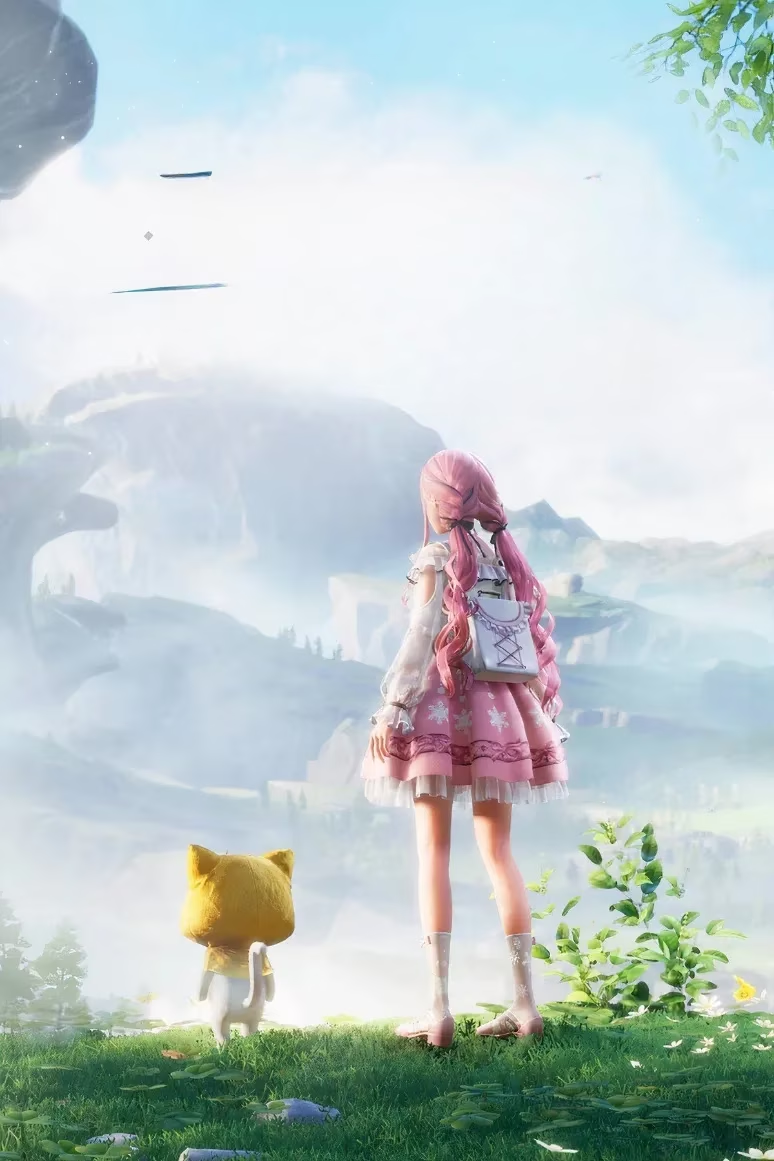
The debate touches on the evolving model of free-to-play (F2P) games. For years, the standard was cluttered interfaces, energy systems, and time limits—digital toll booths on the path to fun. However, titles like Genshin Impact have demonstrated a different path to success, proving that players are willing to spend money voluntarily on a game they love, without feeling coerced. Infinity Nikki, with its stunning visuals and dedicated cozy gaming community, sits at this crossroads. It has the potential to follow a player-respectful monetization model but risks alienating its base with overt commercial signals.
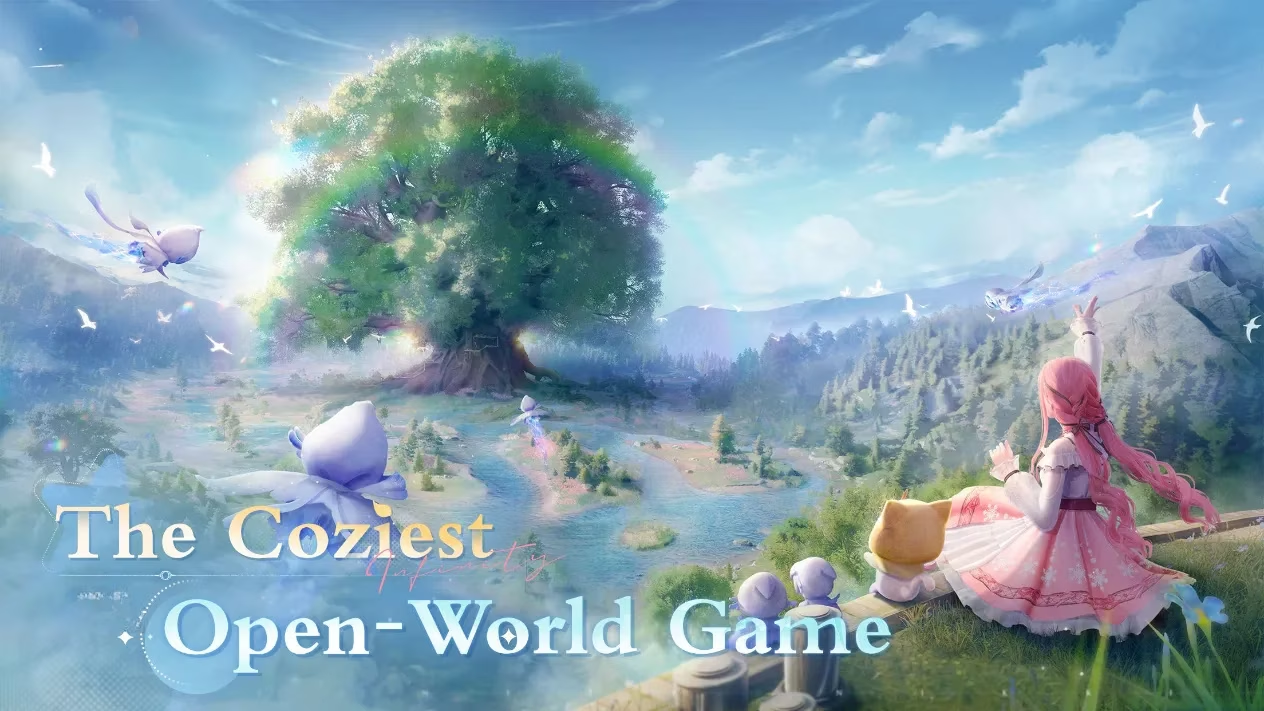
As of 2026, the protest highlights a mature dialogue between players and developers. The community's strategy of reporting the icons as bugs is a sophisticated form of feedback, demanding accountability. It's a clear message that players are not passive consumers but active stakeholders in the game's ecosystem. The hope, echoed by many observers, is for InFold to find a "good middle ground"—a monetization strategy that feels organic, respects the player's immersion, and ensures the game's financial health without treating its interface like a billboard in a zen garden.
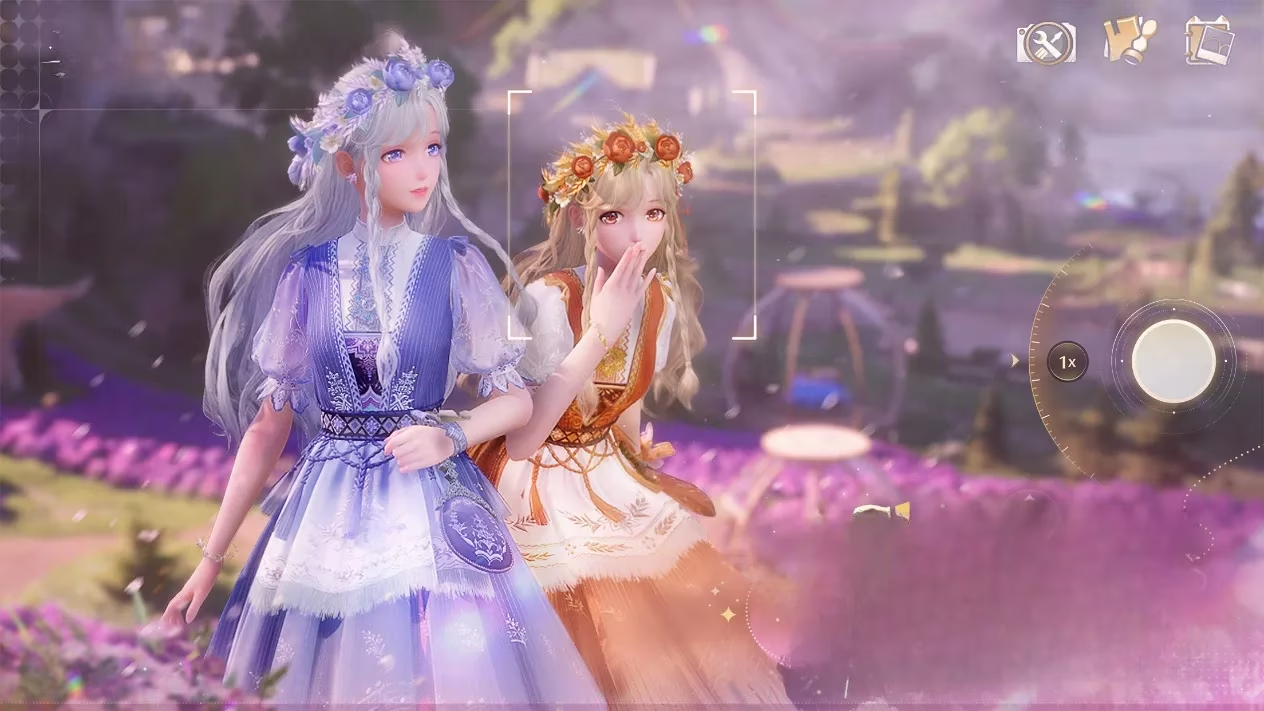
The outcome of this player-led movement will be a significant case study for the industry. It tests whether a developer will listen to its community's unified voice on matters of experience versus economics. For now, the ball is in InFold's court. Will they revert the changes, offer a compromise, or stand firm? The millions of players who have been captivated by Infinity Nikki' gorgeous, free world are watching closely, hoping their protest leads to a resolution that preserves the magic of the game they love.