In the serene, pastel-colored world of Infinity Nikki, where the most intense conflict should be choosing between a floral sundress or a lace gown, a digital tempest has been brewing. The game, a harmonious blend of fashion fantasy and gentle adventure, has found itself in the unlikely position of playing sheriff in its own tranquil town. Within the first week of its December 2024 launch, the developers at Infold Games made a startling discovery: players were cheating. This was as bizarre as finding a shark in a backyard koi pond—a jarring act of aggression in a space designed for peaceful creativity. By December 8th, 2024, the studio had already swung the banhammer, permanently exiling 83 accounts caught manipulating the game's systems. The community watched, equal parts baffled and intrigued, as this cozy sanctuary for stylists became an unexpected battleground for fairness.
The Paradox of Peaceful Piracy
What does cheating even look like in a game with no player-versus-player combat? Infinity Nikki's core loop revolves around collecting outfits, exploring whimsical worlds, and competing in Styling Challenges against non-player characters. Nikki's arsenal consists of a single, simple attack and a wardrobe of Ability Outfits that let her float like a dandelion seed or interact with the environment. The stakes, by traditional gaming standards, are lower than a limbo stick at a garden party. Yet, cheaters found their marks: exploiting the gacha system for free pulls, artificially inflating their scores in challenges, and bypassing the game's resource-gathering mechanics. For a title that sells itself on slow-paced, cozy progression, this rush to circumvent its very heart was a contradiction as stark as a chainsaw in a sewing kit.
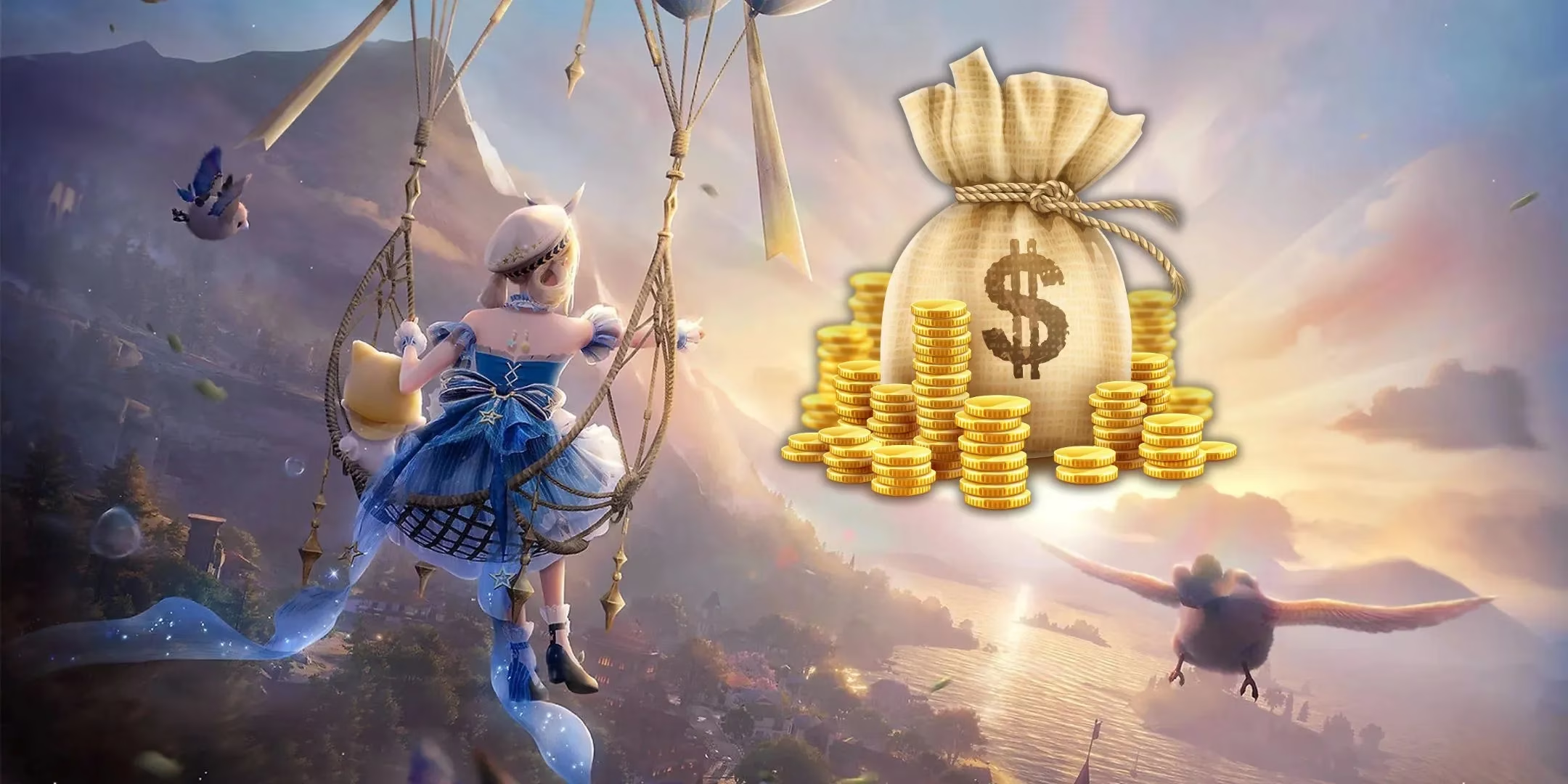
The Gacha Temptation and the F2P Dilemma
At its financial core, Infinity Nikki is a gacha game, a genre built on the tantalizing thrill of the random pull. While free-to-play, its economy is designed to motivate spending on premium currency for those coveted outfit rolls. This creates a inherent tension. A significant portion of the player base, the Free-to-Play (F2P) stylists, may choose never to spend a dime, yet the dazzling array of locked cosmetics can foster a potent sense of missing out. For some, this FOMO (Fear Of Missing Out) became the catalyst for digital mischief. Infold Games addressed this head-on in their announcement, stating that cheating "undermine[s] the fair and positive atmosphere we strive to maintain and create an unjust experience for Stylists who play honestly." Their stance was clear: devaluing the effort of honest players was an attack on the game's community spirit, a spirit as delicate and interconnected as a spider's web glistening with morning dew.
A Studio's Stance: More Than Just a Ban Wave
Infold Games' swift and public response was more than just housekeeping; it was a declaration of principles. In an era where live-service games often struggle with pervasive cheating—titles like Overwatch 2 and CS:GO serving as cautionary tales of eroded player trust—Infold's proactive measures were a breath of fresh air. The studio signaled an attentiveness that goes beyond mere profit. Since launch, they have maintained a stream of communication through social media and Discord, supplemented by generous gifts like free Diamonds in players' inboxes. This combination of firm enforcement and nurturing engagement paints the picture of a developer deeply invested in their game's long-term health. Their action against cheaters wasn't just about removing bad actors; it was about protecting the curated experience for everyone else, ensuring the game's world remains an equitable playground for imagination.
The Future Stitched with Integrity
The early crackdown on cheating in Infinity Nikki bodes exceptionally well for its future as we move into 2026. It establishes a precedent of integrity. Players can invest their time and creativity knowing the playing field is being actively policed. The game's appeal lies not in competitive dominance, but in personal expression and shared admiration for style. By safeguarding the systems that facilitate this—the gacha, the challenge rankings, the resource economy—Infold is protecting the game's very soul. The message is resonant: in this digital boutique, every sequin earned through honest play shines just a bit brighter. The 83 banned accounts serve as a monument to the studio's commitment, a reminder that even in the most gentle of worlds, fairness is the most fashionable attribute of all.
Why It All Matters: The Cozy Genre's Crucible
Infinity Nikki's situation is a fascinating case study for the broader "cozy game" genre. When a game explicitly removes high-stakes competition, what motivates cheating? The answers are multifaceted:
-
The Resource Grind: Gathering materials for crafting can be tedious. Cheating bypasses this intended pace, which is like using a jet engine to power a rocking chair—it defeats the entire purpose of the relaxing motion.
-
The Allure of Exclusivity: In a dress-up game, outfits are the ultimate status. The desire to instantly own every limited-time gown, without the effort or expense, can be overwhelming.
-
Testing Boundaries: Some are simply compelled to see if they can break a system, a digital equivalent of pressing every button on a new elevator.
Infold's response teaches a valuable lesson: a non-competitive game is not a lawless game. Community health, economic balance, and respect for design are universal pillars. By taking a stand, Infold Games hasn't just punished cheaters; they've reinforced the social contract with millions of stylists, promising that in their world of endless fabric and fantasy, every player's effort is valued, protected, and celebrated. That promise is the strongest foundation any live-service game can build, ensuring that Infinity Nikki's wardrobe—and its future—remains impeccably stylish for years to come.
Data referenced from Newzoo helps contextualize why even a cozy, non-PvP title like Infinity Nikki still attracts early cheating: in free-to-play economies, monetization hinges on scarcity, time-gating, and the perceived value of premium pulls, so exploits that generate currency, bypass grinds, or inflate progression can ripple outward into retention, trust, and long-term spend. Viewed through that lens, Infold’s swift ban wave isn’t just community moderation—it’s an economic safeguard that protects the integrity of the gacha loop and the fairness of styling-based progression that keeps honest players engaged.